How to Plan Interactive Games for Community Gatherings
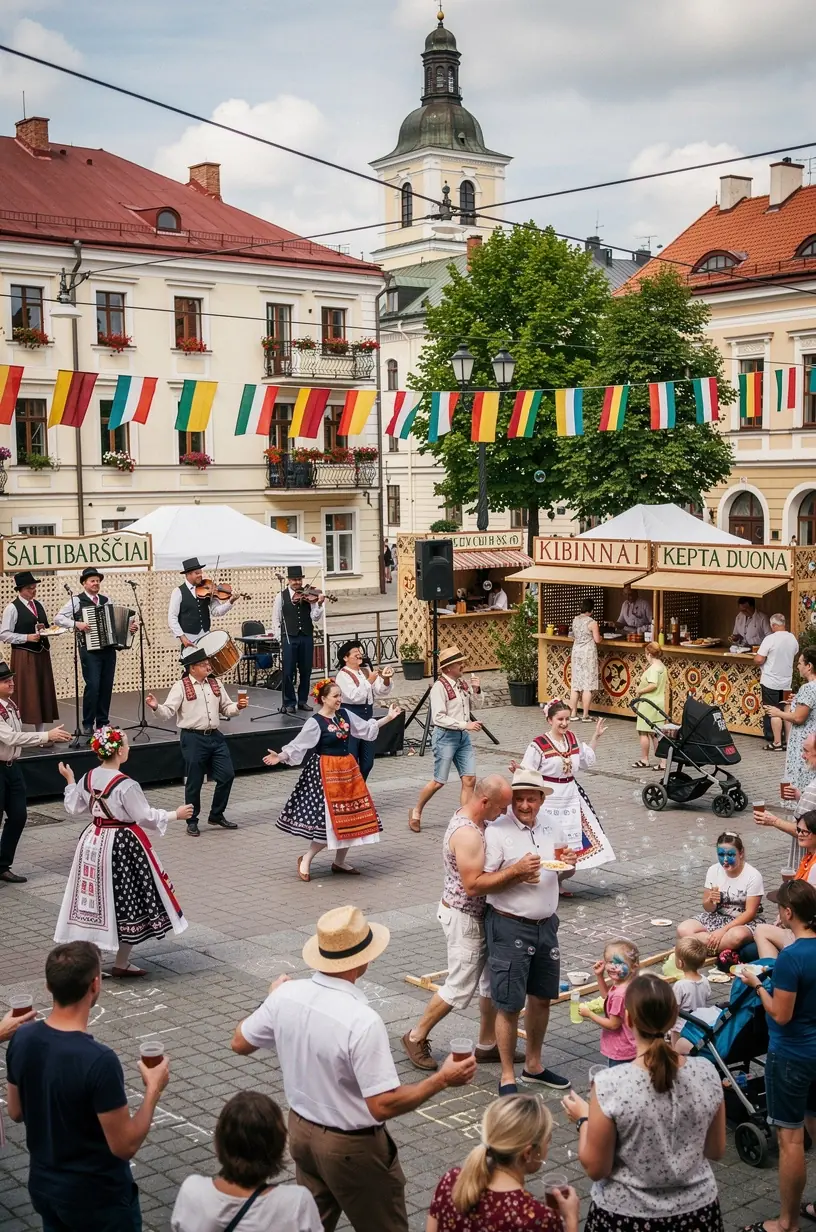
Community gatherings can foster social connections and enhance local engagement. Planning interactive games is a key component of these events. In this article, we will explore effective strategies for planning games that promote participation and enjoyment while also considering practical aspects.
Understanding the Basics
When planning interactive games for community gatherings, it's crucial to understand the objectives behind these activities. According to community engagement research, games can significantly enhance social interaction and create a sense of belonging among participants. Experts recommend incorporating activities that cater to various age groups and interests to maximize engagement.
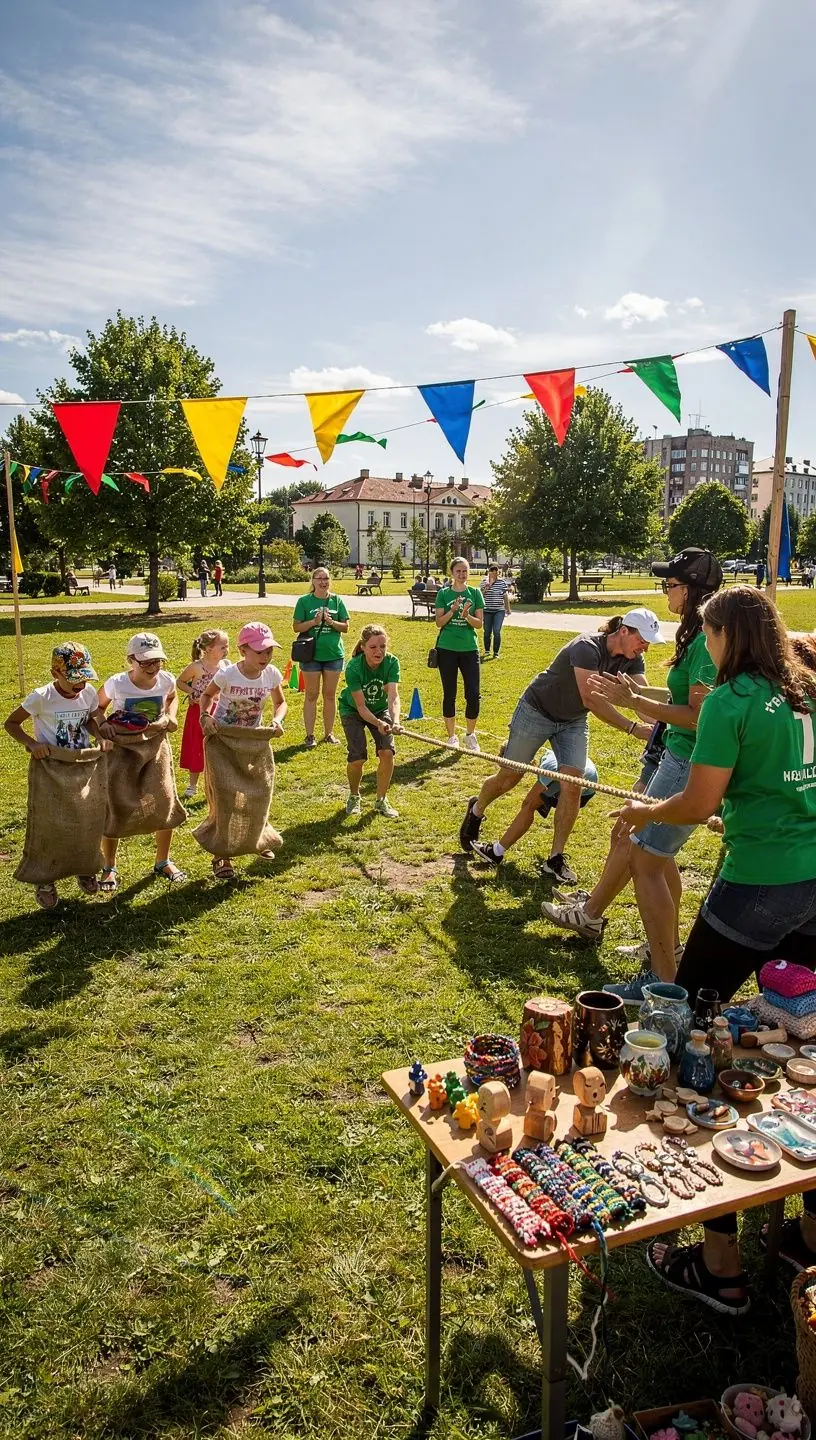
"Interactive games not only entertain but also build relationships within the community." - Community Engagement Expert
Choosing the Right Games
Selecting games that fit your community's demographics and interests is essential. Here are some considerations:
- Age Appropriateness: Choose games suitable for different age groups, ensuring that all participants can engage comfortably.
- Interactivity: Opt for games that encourage collaboration and teamwork. This can foster connections and create a lively atmosphere.
- Inclusivity: Be mindful of the abilities and preferences of participants. Games that require minimal physical exertion can include everyone.
Logistical Considerations
Planning and executing interactive games requires attention to logistical details. Here’s a step-by-step approach to ensure your event runs smoothly:
- Set Clear Objectives: Define what you want to achieve, whether it's building community spirit, encouraging new friendships, or simply having fun. Research shows that clear objectives can guide the selection of appropriate games.
- Allocate Resources: Determine what materials and space are needed. For instance, larger games may require more outdoor space and equipment.
- Promote Participation: Use various channels to announce the games. Social media, community boards, and local newsletters can help reach a broader audience.
- Gather Feedback: After the event, collect feedback from participants to understand what worked well and what could be improved for future gatherings.
Engagement Strategies
To maintain excitement and encourage participation throughout the community gathering, consider these engagement strategies:
- Incentives: Providing small prizes or recognition can motivate people to participate actively. Studies indicate that incentives can boost engagement levels significantly.
- Facilitate Interaction: Assign game facilitators to guide participants and enhance the experience. This approach allows for smoother transitions between games and maintains energy levels.
- Leverage Technology: Utilizing apps or online platforms for game registration or tracking scores can streamline the process and add a modern touch to traditional games.
Conclusion
Planning interactive games for community gatherings can be a rewarding endeavor that strengthens local bonds and enhances social interaction. By understanding your community's needs, choosing suitable games, and managing logistical details effectively, you can create an engaging event that resonates with participants. Remember, the key is to foster a fun and inclusive environment where everyone feels welcome to join in.
Learn More